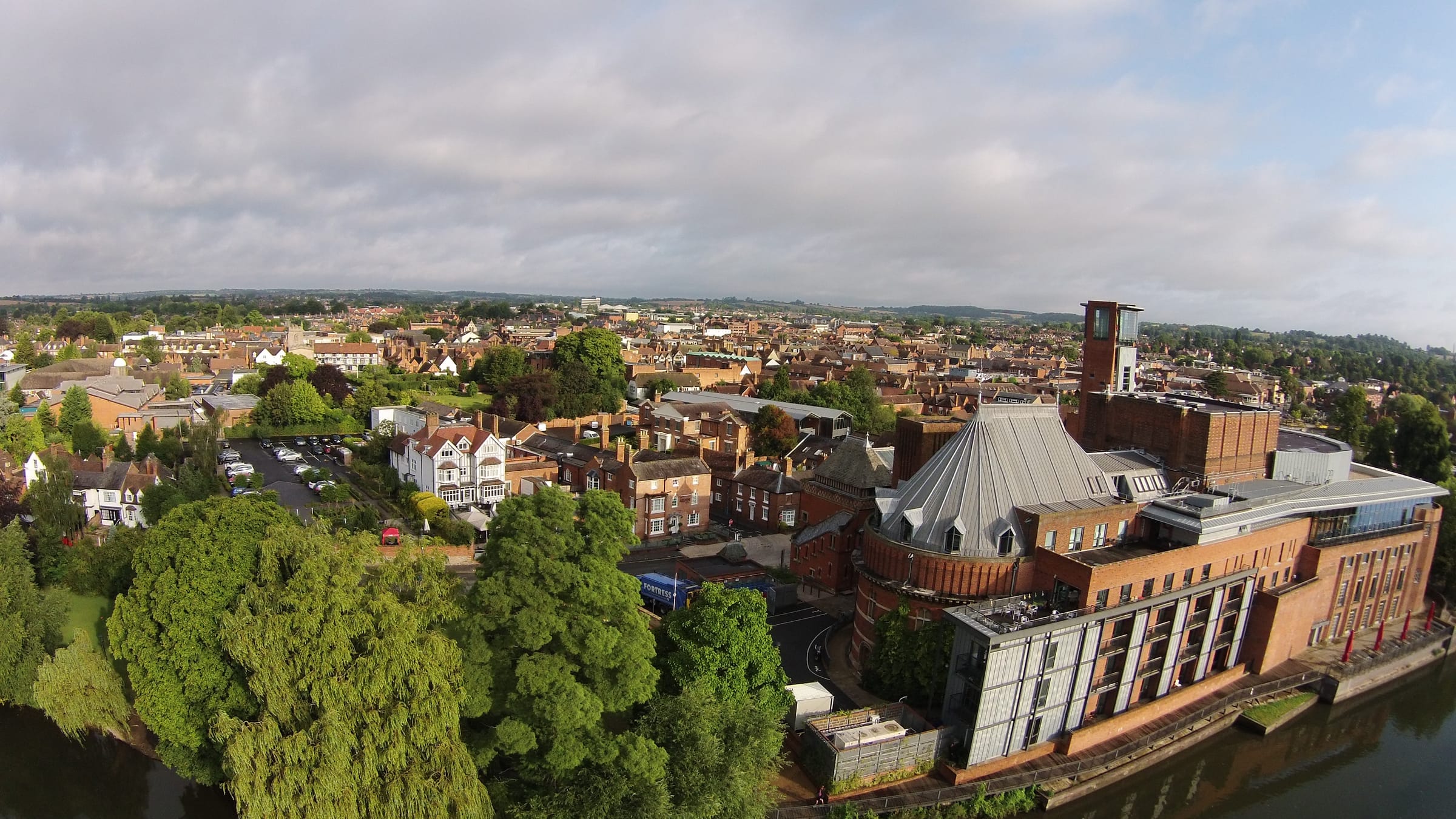
Stratford-upon-Avon is one of the most visited small towns in Europe, and it wears the attention lightly. Underneath the Shakespeare industry is a real Warwickshire market town of 30,000 people, with a Friday market, a river full of swans, a working theatre company of international standing and a Tudor street plan you can read like a map of the 1590s.
This guide is written for people who want more than a coach-stop hour on Henley Street. It covers what is genuinely worth paying for, how to time your day around the crowds, where to eat before a performance, and how to use Stratford as a base for Warwickshire and the Cotswolds.
How long should you stay?
One full day is enough for the essentials: Shakespeare’s Birthplace, a guided walk, Holy Trinity Church and the riverside. But a single day means choosing between the outlying houses, the theatre and a day trip — and most visitors regret it.
Two nights is the right answer for most people. It gives you a full town day, an evening performance and a second day for either Warwick Castle or the Cotswolds, with time to sit by the river rather than march past it.
What is genuinely worth paying for
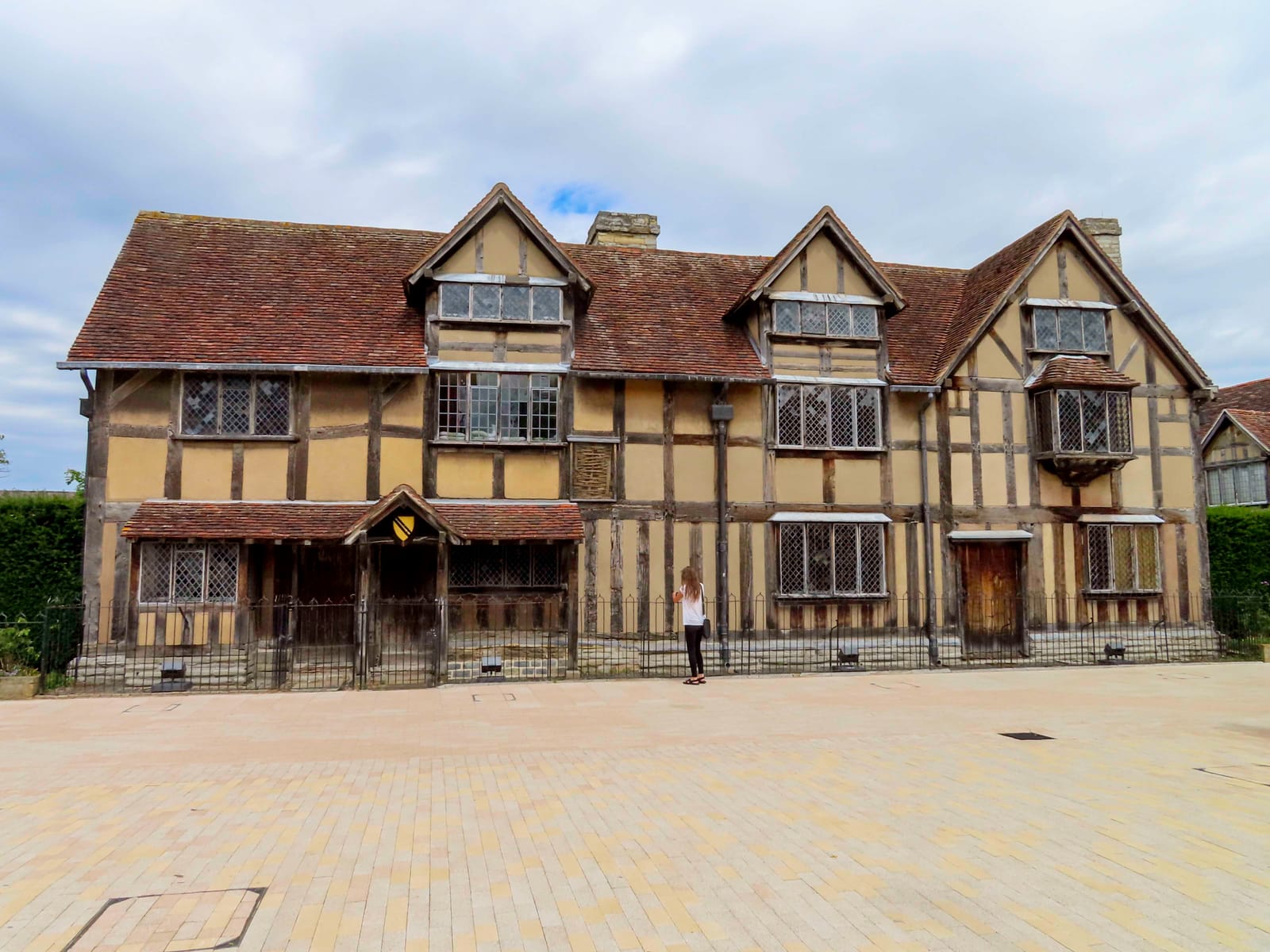
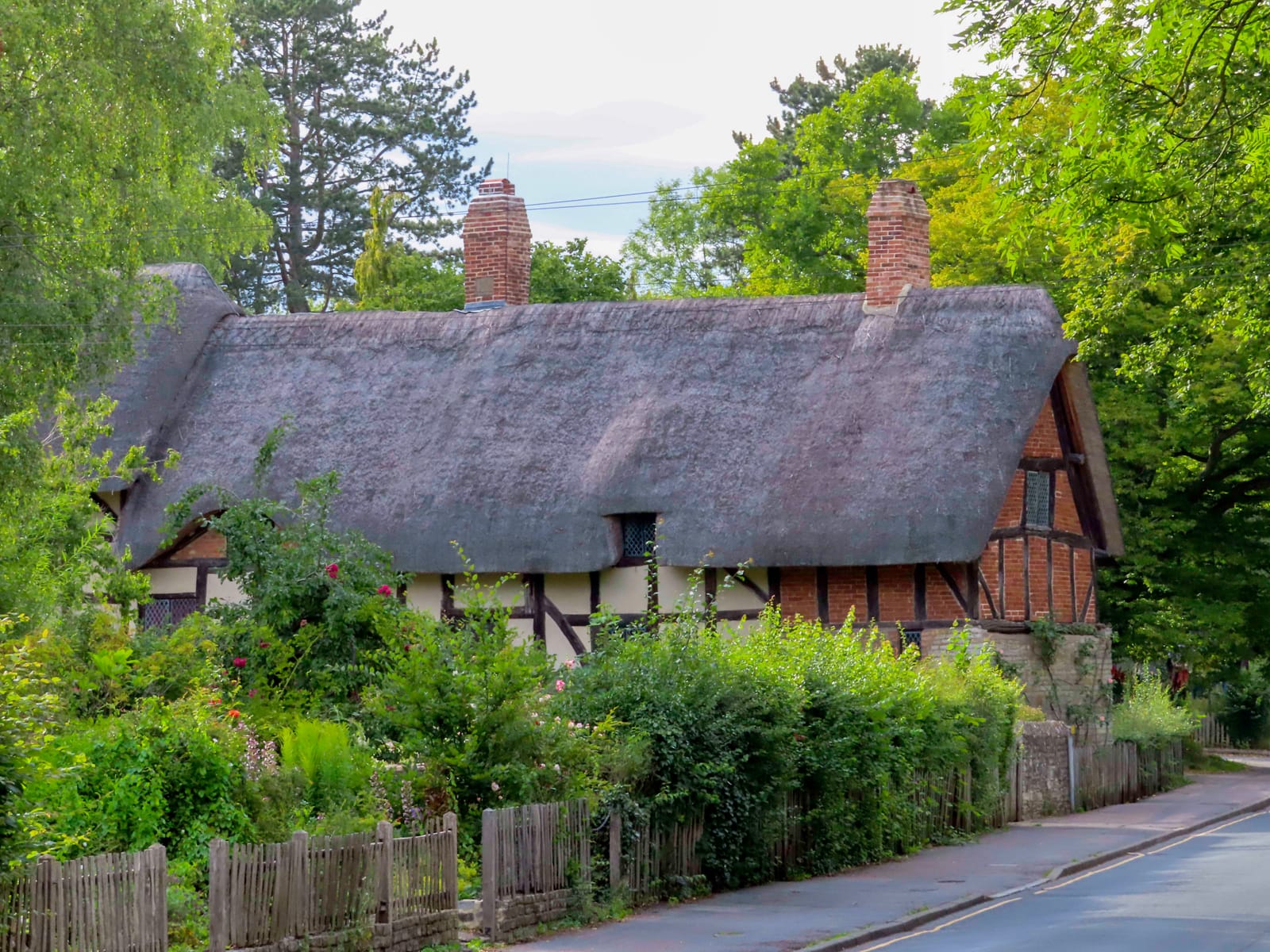
Shakespeare’s Birthplace is the one unmissable ticket. Beyond that, the multi-house ticket makes sense if you will visit two or more properties, and Anne Hathaway’s Cottage is the best of the rest, particularly between May and September.
A guided walking tour is the best value in town at around £12–15, and a Royal Shakespeare Company performance is genuinely world-class. The half-hour river cruise is cheap and lovely. Beyond that, spend on food and theatre rather than on more house tickets.
- Unmissable — Shakespeare’s Birthplace, an RSC performance, a guided town walk
- Very good — Anne Hathaway’s Cottage, Holy Trinity Church, the river cruise, Shakespeare’s Schoolroom
- Good with time — Hall’s Croft, New Place, Mary Arden’s Farm, Tudor World
- Only with children — the Butterfly Farm, the open-top bus
Timing your day around the crowds
Stratford has a very predictable rhythm. Coach parties arrive from about 10:30 and leave by 16:00, which means the town belongs to overnight visitors before ten in the morning and after four in the afternoon.
Do the busiest attractions first thing, use the middle of the day for the river, the gardens or lunch, and return to the town-centre houses late afternoon. Evenings are the best time of all: the streets empty, the theatre lights come on and the ghost walks start.
Where to eat and drink
Sheep Street is the restaurant row — a run of 16th-century buildings serving pre-theatre menus from about 17:30, timed so you can eat properly and still make curtain-up. Book a table when you book your play; the whole street fills at once.
For pubs, the Dirty Duck (formally the Black Swan) on Waterside has been the actors’ pub for two centuries, and the Old Thatch Tavern by the market is the oldest in town. For lunch, the cafes in the Shakespeare property gardens are consistently better value than anything on the river.
- Pre-theatre menus on Sheep Street, from around 17:30
- The Dirty Duck on Waterside for post-performance actor-spotting
- Afternoon tea at one of the town-centre hotels
- Local gin and rum from Shakespeare Distillery, which runs tours and tastings
Seeing a play at the RSC
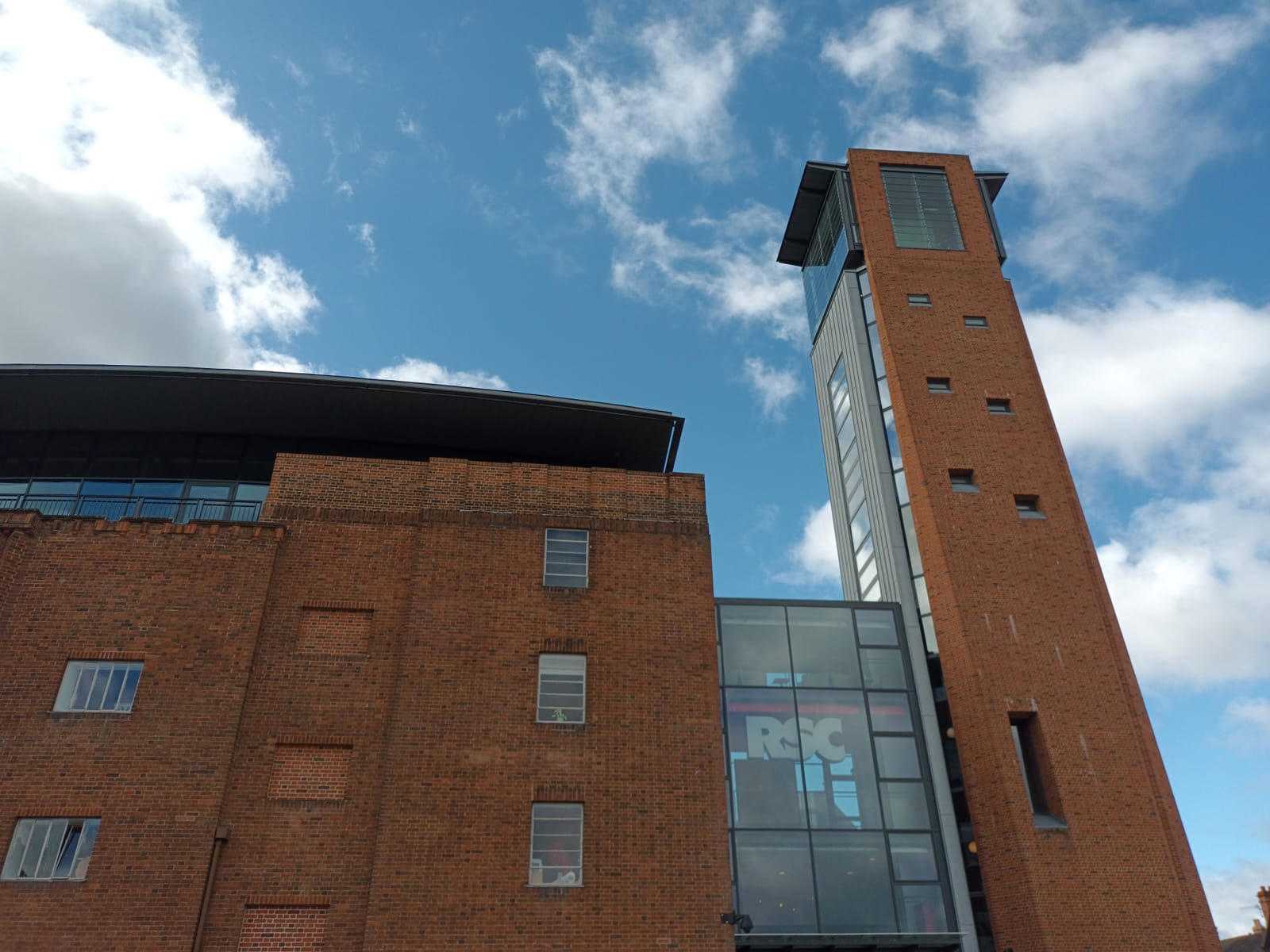
The Royal Shakespeare Company performs year-round across the main Royal Shakespeare Theatre and the smaller Swan. The 2010 thrust stage means there is no bad seat, and even the cheapest tickets have a good view.
Book ahead for summer and Christmas, but always check for day seats and returns — they are common, and standing places in the main house are inexpensive. Anyone under 25 gets substantially discounted tickets.
Costs: what a day actually adds up to
A frugal day — a walking tour, Holy Trinity, the river cruise and a pub lunch — comes to around £35 per person. A typical day with Shakespeare’s Birthplace, a second house, lunch, dinner and a theatre ticket lands between £90 and £130.
The two ways to bring that down are the multi-house ticket and midweek travel: rail fares, hotel rates and theatre tickets are all cheaper Sunday to Thursday.
Accessibility
The town centre is flat, largely pedestrianised and easy to navigate with a wheelchair or pushchair. The Royal Shakespeare Theatre is fully accessible with excellent provision for assisted performances.
The historic houses are harder: Tudor staircases are narrow and steep, and upper floors are often unreachable. Most properties offer ground-floor access, virtual tours of the upper rooms and concessionary rates for carers — ask at the ticket desk.
Practical basics
The currency is pounds sterling and cards are accepted everywhere, including on buses and boats. Tipping is around 10% in restaurants and not expected in pubs. The tourist information centre is on Bridgefoot by the river.
- Most attractions open 09:00 or 10:00 and close between 16:00 and 17:00, earlier in winter
- Free public Wi-Fi in the town centre and in most cafes
- Weather changes fast — bring a light waterproof in every season
- Sunday opening is shorter, and some smaller attractions close in January and February